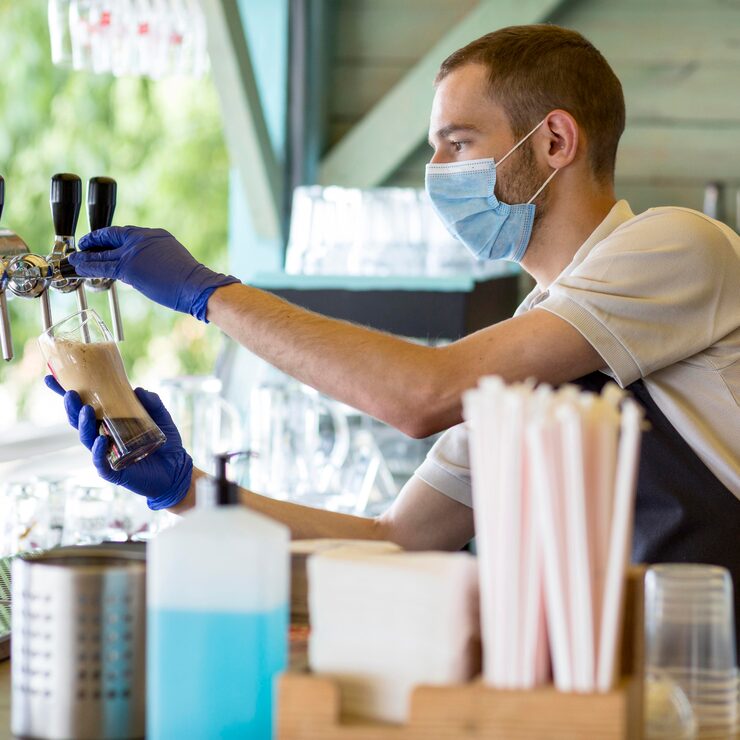
In hotels, restaurants, resorts, and event venues, the food and beverage department is one of the busiest and most complex parts of daily operations. Guests may only see the final service, but behind every meal is a coordinated system that keeps everything running efficiently.
From planning and preparation to service and cleanup, the food and beverage department plays a key role in maintaining consistency, quality, and guest satisfaction.
Structured Planning Sets the Foundation
Smooth operations begin with proper planning. The food and beverage department works on schedules, menus, and supply forecasts well in advance.
This planning includes:
-
Menu design and rotation
-
Staff scheduling for peak and off-peak hours
-
Forecasting guest volume
-
Coordinating with suppliers
Good planning reduces last-minute problems and helps teams stay prepared for daily demands.
Inventory and Supply Management
One of the department’s most important responsibilities is managing inventory. Ingredients, beverages, and service supplies must always be available in the right quantity.
Effective inventory control helps:
-
Prevent shortages during service
-
Reduce food waste
-
Control operational costs
-
Maintain consistent food quality
Regular stock checks and supplier coordination ensure uninterrupted service.

Clear Roles and Team Coordination
The food and beverage department relies heavily on teamwork. Each staff member has defined responsibilities, from kitchen staff and servers to supervisors and managers.
Clear communication between teams ensures:
-
Orders are prepared correctly
-
Service runs on time
-
Guest requests are handled efficiently
-
Issues are resolved quickly
Strong coordination becomes especially important during busy service periods.
Maintaining Hygiene and Safety Standards
Cleanliness and safety are non-negotiable in food and beverage operations. Strict hygiene practices protect both guests and staff.
Daily routines include:
-
Sanitizing workstations and equipment
-
Following food handling procedures
-
Monitoring storage temperatures
-
Ensuring personal hygiene compliance
Consistent safety practices help maintain trust and meet regulatory requirements.
Service Flow and Guest Experience
The department focuses on delivering smooth service from the moment a guest places an order to the time it is served.
This includes:
-
Accurate order taking
-
Timely food preparation
-
Proper presentation
-
Polite and attentive service
When service flows well, guests enjoy their meals without delays or confusion, leading to higher satisfaction.
Handling Challenges During Service
Unexpected issues can arise at any time, such as sudden rushes, special requests, or equipment problems.
The food and beverage department manages these challenges by:
-
Adjusting staff roles quickly
-
Communicating changes clearly
-
Prioritizing guest needs
-
Staying calm under pressure
Flexibility and problem-solving skills help prevent small issues from becoming major disruptions.
End-of-Day Review and Preparation
After service hours, the department focuses on closing tasks and preparation for the next day.
These tasks include:
-
Cleaning and sanitizing all areas
-
Reviewing sales and inventory
-
Storing ingredients safely
-
Planning for upcoming service
This review process ensures consistency and readiness for future operations.
Final Thoughts
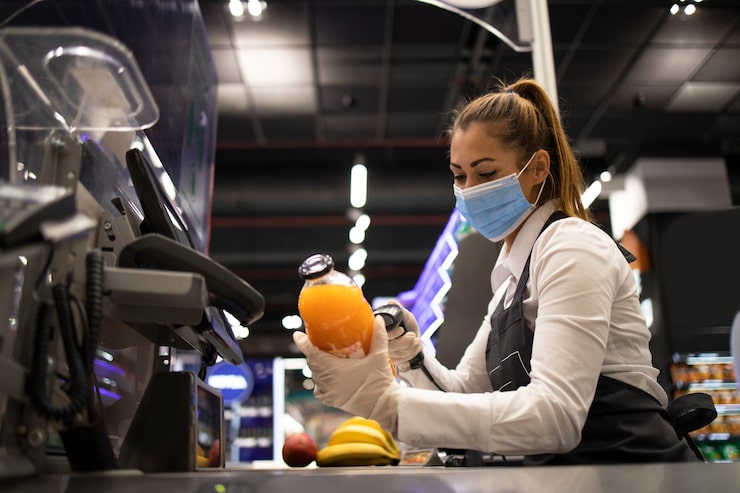
The food and beverage department is the backbone of hospitality operations. Through careful planning, teamwork, hygiene control, and efficient service management, it keeps daily operations running smoothly.
When the department functions well, guests enjoy seamless service—and the entire establishment benefits from improved efficiency, reputation, and profitability.