When it comes to designing a food and beverage establishment, the focus often lies on décor, menu, and service. However, one crucial element often overlooked is flooring. The right flooring not only enhances the aesthetic appeal of your space but also ensures safety, hygiene, and durability. In this blog, we will explore the essential considerations when selecting food and beverage flooring and why it matters for both customers and staff.
Why Flooring Matters in Food and Beverage Establishments
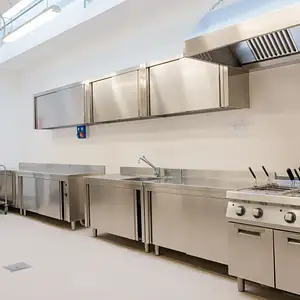
Flooring is more than just a surface to walk on—it’s a foundation that affects safety, comfort, and even operational efficiency. In a food and beverage environment, spills, heavy foot traffic, and kitchen equipment all demand a flooring solution that is both durable and easy to maintain.
- Safety is paramount. Slippery or poorly installed floors can lead to accidents, which is a liability for any business.
Moreover, the visual appeal of the flooring contributes to your brand image. Customers notice the cleanliness and quality of your space, and flooring plays a subtle but powerful role in shaping their perception.
Key Features of Effective Food and Beverage Flooring
Selecting the ideal food and beverage flooring involves balancing functionality with design. Here are the main characteristics to consider:
- Durability: Your flooring must withstand daily wear and tear, heavy equipment, and constant foot traffic without losing its integrity. Materials like commercial-grade vinyl, epoxy, and polished concrete are excellent choices.
- Hygiene: Floors in dining and preparation areas should resist stains, moisture, and bacteria. Anti-microbial coatings or seamless flooring solutions are highly recommended.
- Safety: Slip-resistant surfaces are essential, particularly in kitchens or near beverage stations where liquids are frequently spilled.
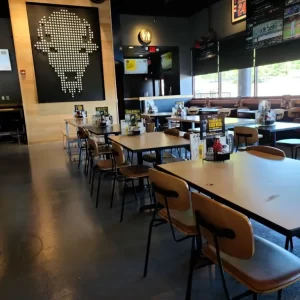
- Aesthetic Appeal: Flooring contributes to the overall atmosphere. Neutral tones, natural textures, or patterned designs can complement your brand identity while remaining practical.
A single bullet here emphasizes the importance of slip-resistance for high-traffic areas, which is crucial for avoiding accidents.
Popular Flooring Options for Food and Beverage Spaces
When choosing flooring, understanding the different materials available is key. Here’s a quick overview:
- Vinyl Flooring: Affordable, versatile, and easy to clean, vinyl remains a popular choice. Modern designs mimic wood or stone while offering superior durability.
- Epoxy Flooring: Seamless and resistant to spills, epoxy is ideal for both kitchens and dining areas. Its glossy finish adds a professional touch.
- Polished Concrete: A stylish and low-maintenance option, concrete is ideal for contemporary café or bar settings. It is also highly durable and can be treated to resist staining.
- Tile Flooring: Ceramic or porcelain tiles offer elegance and practicality. They are easy to clean and can withstand moisture, though grout maintenance is necessary.
Choosing the right material depends on your establishment’s style, budget, and the specific challenges of your space.
Conclusion: Invest in Flooring That Supports Your Business
Investing in high-quality food and beverage flooring is a long-term decision that affects safety, maintenance, and customer experience. By prioritizing durability, hygiene, and visual appeal, you create a welcoming environment for guests while reducing operational headaches for staff.
Remember, flooring is not just a design element—it’s the foundation of your business’s success. Selecting the right type of flooring ensures your space is safe, functional, and stylish for years to come. Whether you prefer vinyl, epoxy, concrete, or tile, your choice will ultimately reflect your brand and commitment to quality.